
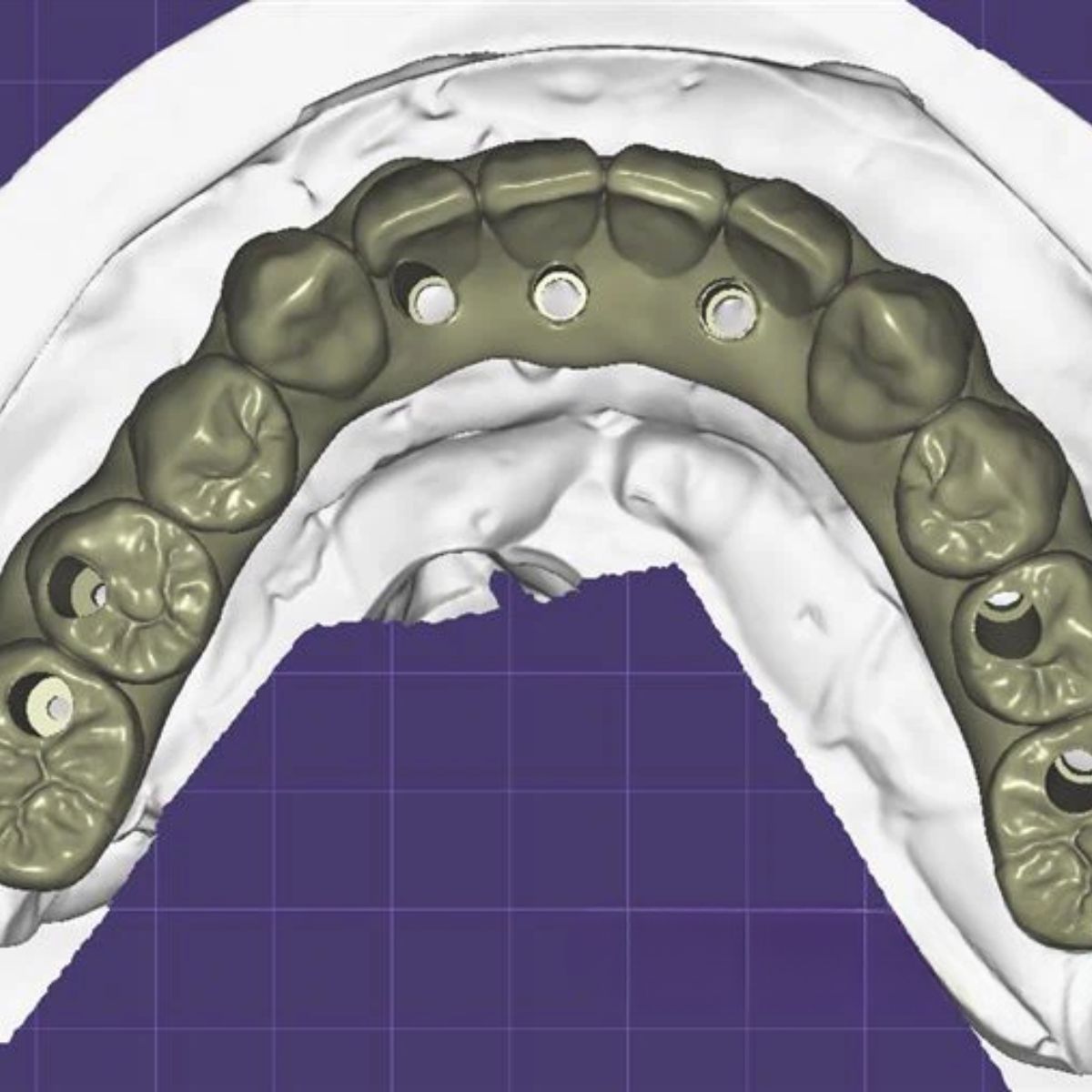
Screw-Retained Implant Bridge Design Service (Multi-Unit)
Precision engineering for Multi-Unit & Direct-to-Implant bridges.
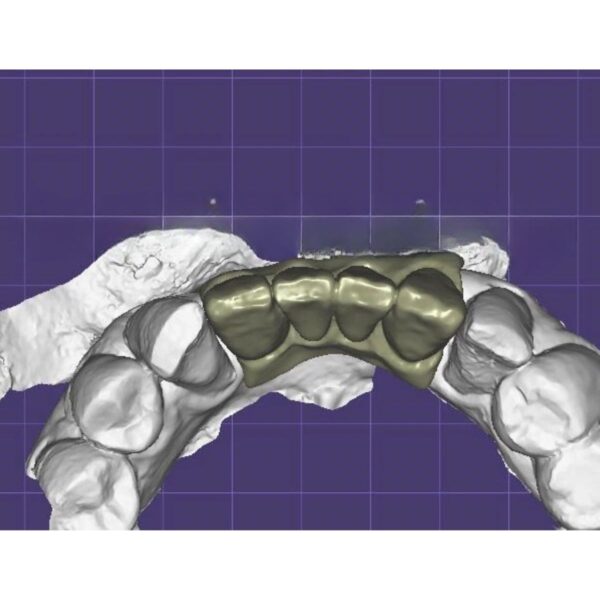
- Scope: 2-Unit to Full Arch Bridges (Zirconia/PMMA).
- Technology: Angled Screw Channel (ASC) correction.
- Fit Strategy: Optimized cement gaps for Passive Fit.
- Turnaround: 24 Hours (Overnight).
Designed with non-engaging interfaces to ensure tension-free seating.
- Expertly crafted digital dental designs tailored to your clinic’s needs
- Fast turnaround times – on-time delivery, every time
- Competitive pricing with global quality standards
- Dedicated support from experienced dental designers
- 100% satisfaction guarantee – or your money back
Passive Fit. Tension-Free Seating.
Designing a multi-unit implant bridge requires more than just connecting teeth. It requires a deep understanding of physics and biology. If the bridge is not perfectly passive, the stress transfers directly to the implants, leading to bone loss or screw fracture.
Our Screw-Retained Bridge Design Service guarantees a stress-free fit. Whether you are using Multi-Unit Abutments (MUAs) or going Direct-to-Fixture, we ensure the path of insertion is viable and the interface is non-engaging.
Technical Engineering Specs
We apply strict safety parameters to prevent structural failure:
Design Parameters
- Connector Strength: Minimum 9mm²-12mm² cross-section to prevent Zirconia fracture.
- Non-Engaging Interface: We select the correct library settings to allow the bridge to draw (insert) over divergent implants.
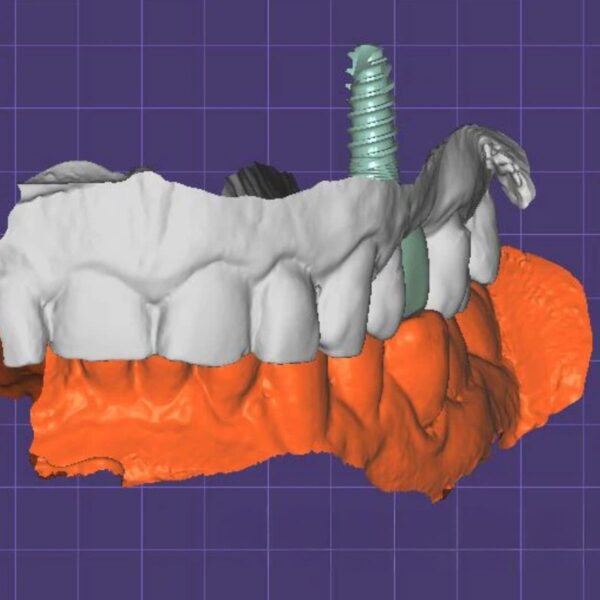
- Angled Screw Channels (ASC): Correction up to 25° to hide screw holes on the lingual side.
Tissue Management
- Hygienic Profile: Convex or “modified ridge lap” tissue surface (intaglio) to allow floss/water flossing.
- Compression: Light tissue compression (0.2mm – 0.5mm) for ovate pontics to shape the gingiva.
Why Outsource Implant Bridges?
Implant bridges are high-liability cases. A design error here is costly. By outsourcing to China Dental Designs, you leverage our experience with thousands of complex cases. We verify the scan body alignment and screw access angulation before you waste a single zirconia puck.
Submission Workflow
- Scan: Upload the scan with Scan Bodies and the Soft Tissue (Gingiva) scan.
- Details: Specify the Implant System and if you are using Ti-Bases or MUAs.
- Receive: Download the production-ready STL file by 8:00 AM EST.
Complex Angulation? No Problem.
Send us a case with divergent implants. We will optimize the screw channels for you.
Email your STL files to: chinadentaldesigns@gmail.com
Be the first to review “Screw-Retained Implant Bridge Design Service (Multi-Unit)”
Related products
Please provide a valid email address to receive your order confirmation before shipping. Thank you!

Reviews
There are no reviews yet.