
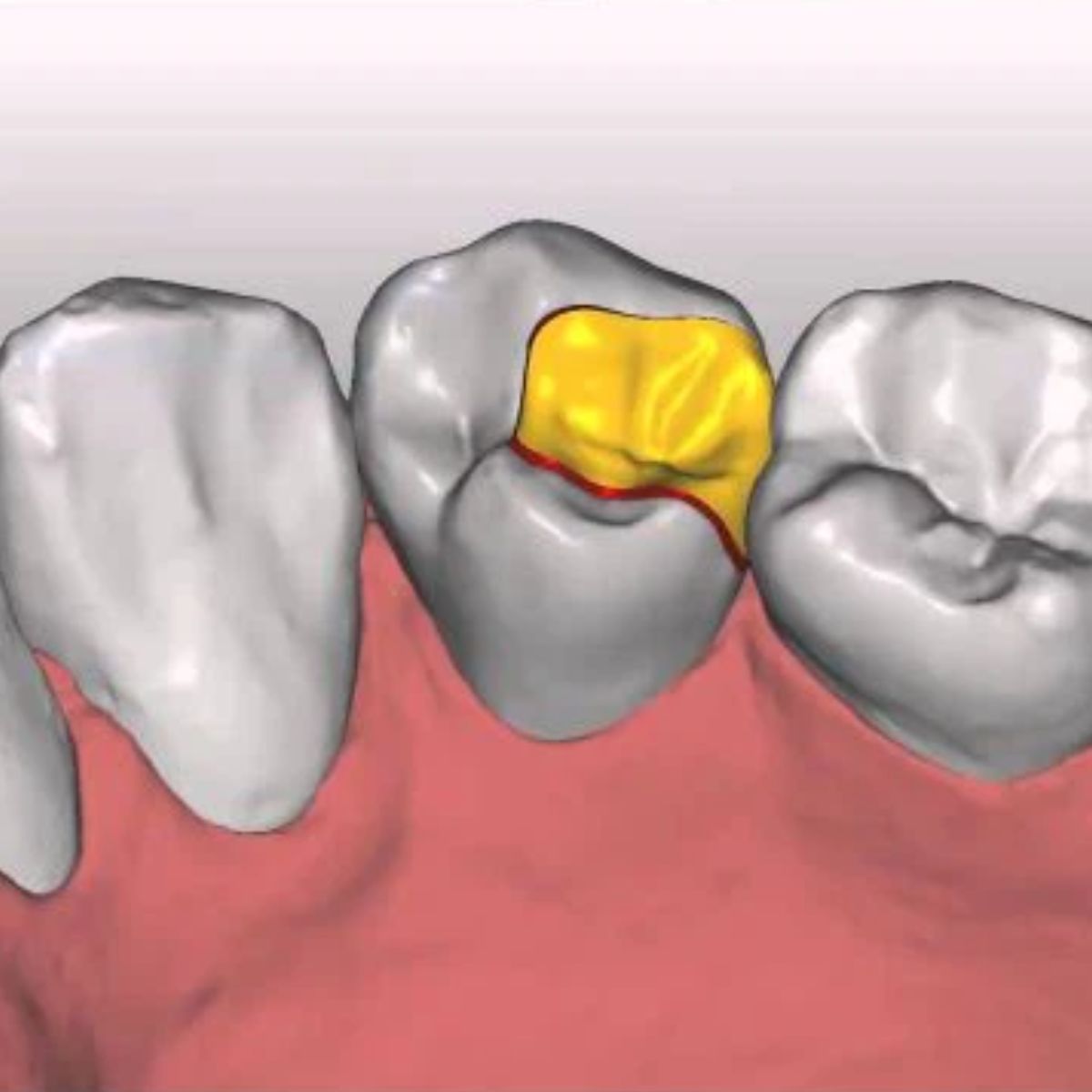
Dental Inlay CAD Design Service (Class I, II & MOD)
Conservative designs with perfect internal adaptation.
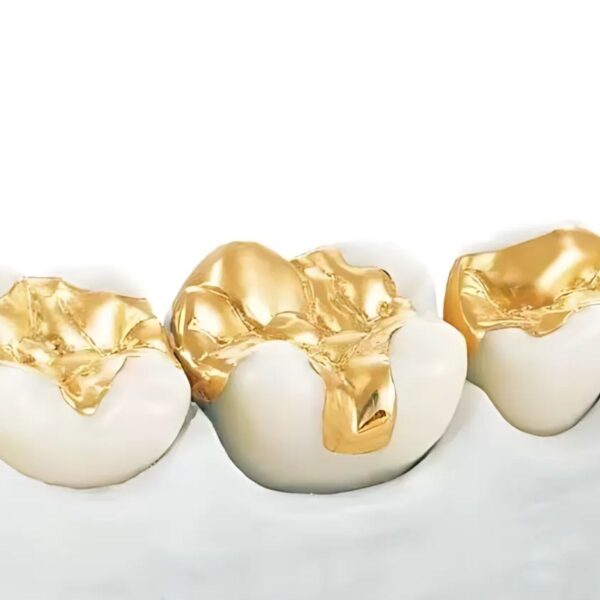
- Types: Class I, Class II (MO/DO), MOD Inlays.
- Materials: E.max, Composite, Hybrid Ceramics.
- Turnaround: 24 Hours (Overnight).
- Output: Drill-radius compensated for seamless seating.
Stop grinding contacts. Our designs drop in perfectly every time.
- Expertly crafted digital dental designs tailored to your clinic’s needs
- Fast turnaround times – on-time delivery, every time
- Competitive pricing with global quality standards
- Dedicated support from experienced dental designers
- 100% satisfaction guarantee – or your money back
Intracoronal Precision. Zero Binding.
Inlay design requires a different strategy than crowns. The internal fit must be precise, yet passive enough to seat without fracturing the thin ceramic walls. Common issues like “binding” at the line angles are caused by ignoring the limitations of the milling machine.
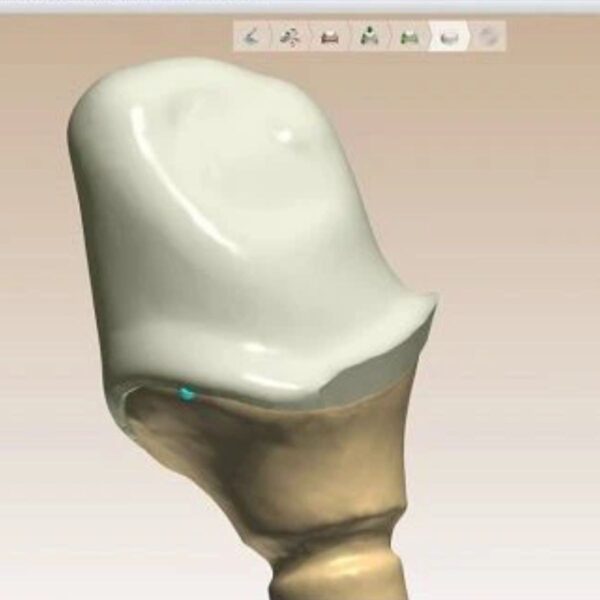
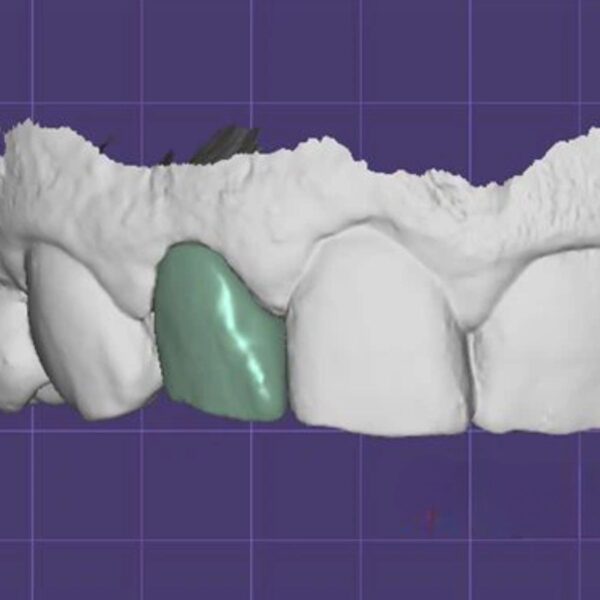
Our Dental Inlay Design Service specializes in Drill Radius Compensation. We actively block out sharp internal corners in the design software (Exocad/3Shape) to match your bur size, ensuring the milled restoration seats fully without manual adjustment.
Technical Engineering Specs
We tailor the cement gap and spacer settings to accommodate conservative preparations:
Fit Parameters
- Cement Gap: Slightly increased (40-60µm) to prevent hydraulic pressure build-up during seating.
- Undercuts: Strictly blocked out relative to the path of insertion to ensure passive fit.
- Margins: Smooth, ditch-free margins to prevent recurrent decay.
Morphology
- Occlusal Anatomy: Deep fissures (if material allows) or soft anatomy for easy polishing.
- Contacts: Designed broad and firm to prevent food impaction in Class II restorations.
- Thickness: Maintained above 1.0mm at the isthmus to prevent fracture.
Why Outsource Inlays?
Designing a complex MOD inlay takes precision and time. Often, the prep is not ideal. Our expert technicians know how to handle non-ideal preps by digitally blocking out undercuts, saving you the hassle of calling the doctor for a re-prep. We turn your digital scans into ready-to-mill files overnight.
Seamless Overnight Workflow
- Scan: Upload your intraoral scan. Ensure interproximal margins are captured clearly.
- Specify: Material (e.g., E.max, Lava Ultimate) and your Bur Size (for compensation).
- Receive: Download the STL file by 8:00 AM EST.
Try A Test Case
Send us a Class II Inlay scan. We will prove our fit is superior.
Email your STL files to: chinadentaldesigns@gmail.com
Be the first to review “Dental Inlay CAD Design Service (Class I, II & MOD)”
Related products
Please provide a valid email address to receive your order confirmation before shipping. Thank you!

Reviews
There are no reviews yet.